

Transference Reenactment
In Dynamic Psychosocialsomatic Psychotherapy (DPP), the unconscious is understood not as an abstract or purely mental phenomenon, but as a psychophysiological heuristic: a network of procedural, autonomically encoded patterns that have material effects on the brain, body, and relationships. Trauma, particularly from early childhood, is stored in these networks as dissociated, wordless experience, shaping how individuals respond to themselves, others, and the world. Transference in DPP is the expression of these unconscious patterns within the therapeutic relationship: the client’s responses to the therapist are replayed procedural memories, encoded in autonomic and somatic systems, rather than only symbolic projections of past relationships. Countertransference reflects the therapist’s physiological and emotional responses to these enactments. Both are manifestations of dynamic, interacting psychophysiological systems. Reenactments occur when clients unconsciously repeat dissociated relational patterns in the present. These behaviors are maladaptive attractors of the relational-autonomic system: stable, self-reinforcing patterns that maintain physiological and emotional dysregulation. Such reenactments often involve wariness, dependency, idealization, or conflictual interaction, reflecting the body’s attempt to communicate and process unintegrated trauma. They are not merely symbolic; they are autonomically and procedurally real, activating physiological states associated with the original trauma. The therapeutic relationship functions as a dynamic regulatory arena. The therapist’s attuned presence provides a safe scaffold, drawing out these reenactments while allowing the client to experiment with new patterns of self- and other-regulation. In DPP terms, this creates an opportunity to destabilize maladaptive attractors, rewire autonomic circuits, and integrate dissociated experiences. Through verbal exploration, affective attunement, and corrective relational experiences, previously unsymbolized trauma is encoded into conscious, language-mediated frameworks, making it available for reflective processing and emotional regulation. Healing in DPP occurs when the client gradually gains access to multiple dissociated self-states, experiences coherent autonomic and relational regulation, and integrates these into adaptive patterns. This process transforms maladaptive relational and physiological attractors into flexible, adaptive networks, enabling richer emotional experience, deeper interpersonal connection, and expanded capacity for self-reflection. In this framework, transference and countertransference are not obstacles or errors, but critical psychophysiological signals that reveal the systemic effects of early trauma. They are the means by which the body-mind relational system communicates unintegrated experiences, offering the therapist and client the opportunity to co-create new, adaptive patterns that restore homeostasis, coherence, and vitality.
Transference at The Trauma Recovery Institute

“Transference is also an assimilation of what might happen in the future if we act on the impulse in the here and now, also as mirroring of the past” Such reenactments are crucial disclosures about un-integrated, un-symbolized unformulated experience. Understanding the unconscious communication within a reenactment is often pivotal point in the therapeutic relationship with a traumatized adult, in particular a sexually abused adult. Seen in this light, enactment is a way for a client to allow himself/herself to be known by co constructing, with the therapist, a means of living out a new, less disabling version of the original trauma. In this co construction, cognitive symbolization of trauma occurs when the trauma is reenacted within a relationship, reproducing the original interpersonal context but not leading to the original outcome. Once this happens, dissociated experience is transformed to internal conflict and human relatedness, which are more available for verbal consideration in psychotherapy or and in the relationship. By working through reenactments in the relationship with a skilled right brain focussed psychotherapist thus gradually obtaining access to the various multiple dissociated self-states which is liberating but also allows us to experience a much richer fuller life experience and helps us to love deeply. The exploration of the reenactment is embedded in the therapeutic relationship.
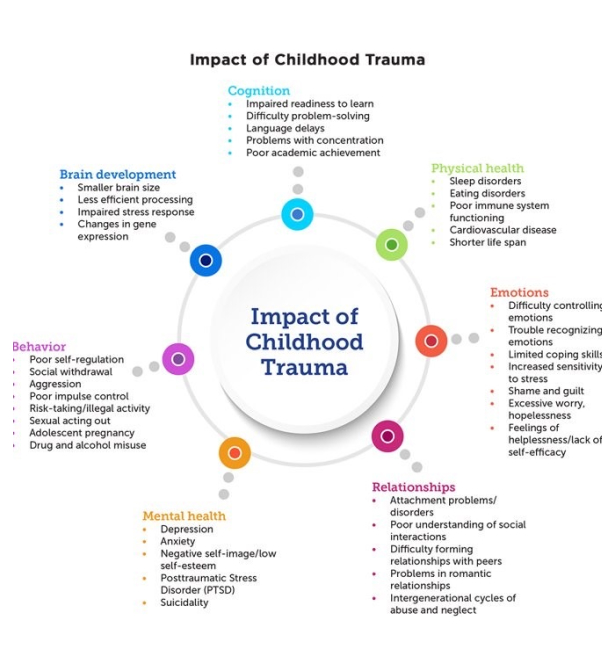
Therapist and client forming the safe therapeutic alliance becomes both the magnet that draws out the reenactment and the architect of a transitional arena in which the client experiences of self and other can be reconfigured in more harmonious ways In seeing the therapeutic relationship this way, thus therapy may rely upon the hope that therapist and client together will become enmeshed in complicated reenactments of early unformulated experiences with significant others, that can shed light upon our current interpersonal and intrapsychic difficulties by reopening them in the therapeutic relationship, prematurely foreclosed areas of experience. If the reenactment is to be integrated as other than the original trauma, however something essentially different must happen which we call a corrective emotional experience. The relational models of transference and countertransference {Relational Conflict} are reenactments of different aspects of the dissociated relationships involved in victimization by a parent or a caregiver. The more trauma experienced in childhood, the more complicated the conflict and the greater difficultly with understanding the symbolism of the reenactment and therefore the repair. Often abusive aggressive and painful reenactments are an inevitable part of the relationship with an abused especially sexually abused person and also an inevitable part of the working through in a therapeutic relationship with a sexually abused client.
Relational Conflict can be another way of framing Transference – countertransference reenactments in relationships which are vehicles for communication to each other about the internal relational experience of the child as he/she was being abused. As such they are powerful tools but they are also forceful and often coercive catalysts in the relationship. Reenactment compels the therapist to experience the client's original reactions to abuse, reactions that are dissociated aftermath to a deeply traumatic childhood experience. To heal the client of the trauma, the therapist must experience that trauma in some way. The reenactment may be just symbolic of the abuse but the feelings engendered in the relationship are very real. These may include helplessness, impotence, rage, inadequacy, shame, guilt, idealisation, omnipotence, overstimulation, humiliation, torture and fear, all internal states with which the client is very familiar.
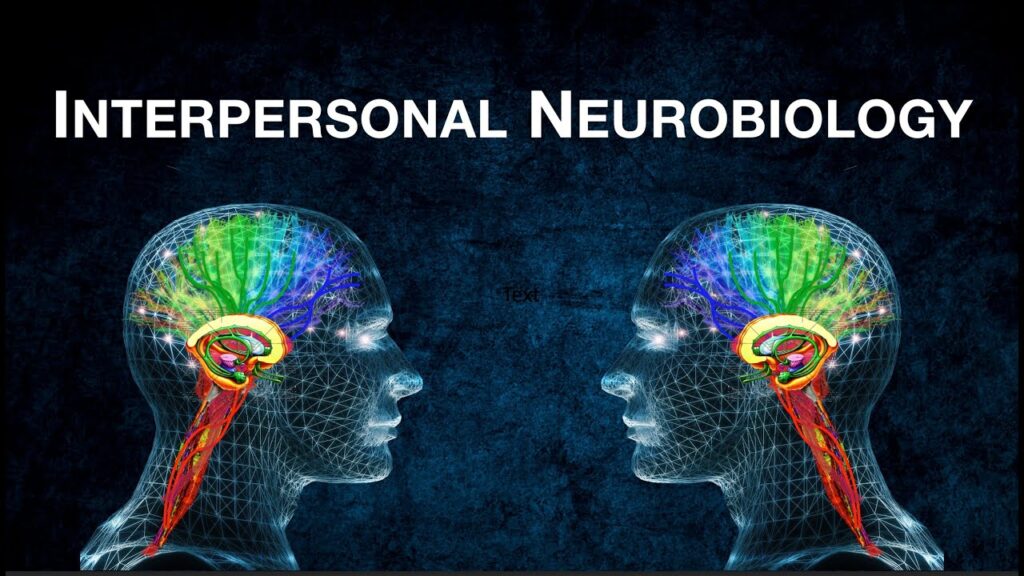
Thus helping the client whose relationships and personalities are organised by dissociation involves a challenge psychological encounter with the trauma that caused the dissociation in the first place. We can can easily feel traumatised under such circumstances as strong reenactments and conflict in the relationship, yet it is important to remember that neither reenactments nor conflict reactions to them are necessarily mistakes rather they are unavoidable phases in the working through of traumatised dissociated people or unavoidable phases in the working through of a therapeutic alliance and relationship with a traumatised dissociated client. A large premise of interpersonal neurobiology is that the brain is always in pursuit of psychobiological homeostasis. So we are compelled to reenact creating conflict in order to invoke a repair. Rupture will and should happen but healing will not happen without repair. “The road to an increasingly secure relationship is usually and exceedingly rocky one precisely because the defenses we use to avoid the painful past often wind up provoking it’s recreation in the present.” It has commonly been noted that a previously abused or neglected child who is now an adult in relationship tends to identify with their abusers and then to be transferentially abusive/neglectful to their partners within the interpersonal/romantic relationship. In doing this they are repeating with their partner what happened to them as children. The abuse-victim relational configuration is particularly upsetting conflict within a romantic relationship because of its ubiquitous intense transference and countertransference enactments. Interpersonal neurobiology is primarily a theory and practical working model which describes human development and functioning as being a product of the relationship between the body, mind and relationships. Another term for it is relational neuroscience.
Dynamic Psychosocialsomatic Psychotherapy
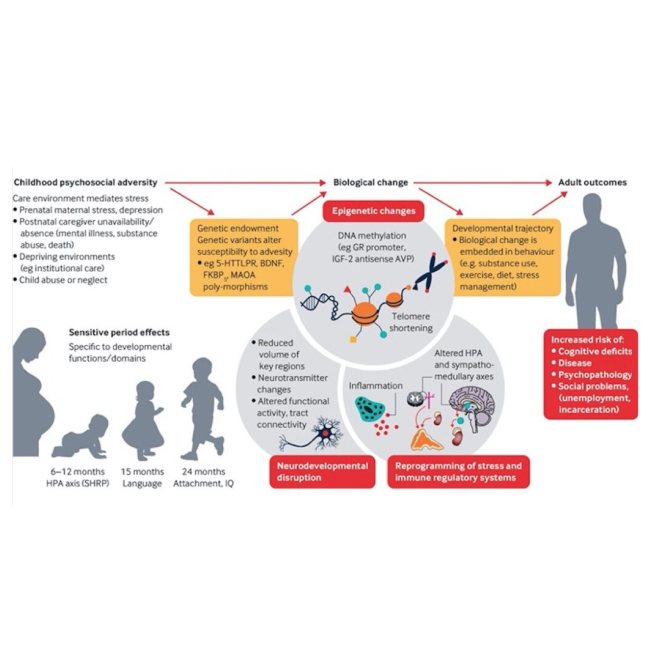
Dynamic Psychosocialsomatic Psychotherapy (DPP) is grounded in contemporary research on trauma, attachment, autonomic regulation, and psychophysiology. Drawing on affect regulation theory, polyvagal theory, interpersonal neurobiology, attachment research, and traumatology, DPP frames trauma as a dynamic psychosocialsomatic pattern that integrates brain, body, mind, and relational experiences. Trauma in DPP is defined as self-reinforcing maladaptive patterns that emerge when experiences disrupt the nervous system’s capacity for flexible regulation, becoming encoded in procedural memory, bodily systems, and relational behaviors. Trauma is not merely an event; it is a persistent organizational structure of the psychophysiological system. These maladaptive attractors influence emotional regulation, autonomic states, somatic functioning, cognitive patterns, and relational dynamics.
The Therapeutic Relationship as a Dynamic System
In DPP, the therapeutic relationship is a living psychophysiological system. Transference, countertransference, and reenactments are expressions of procedural memory and autonomic patterns, not merely symbolic phenomena. These maladaptive attractors are self-reinforcing relational and bodily patterns that persist from unresolved early trauma.
The therapist serves as a co-regulator and architect of safety, facilitating corrective relational experiences that help clients destabilize maladaptive attractors, integrate dissociated self-states, and establish new patterns of autonomic, emotional, and relational regulation.
Healing occurs through:
- Co-creating interpersonally synchronized right-brain emotional dialogue, aligning implicit neural and autonomic systems
- Tracking and regulating physiological states in both client and therapist to promote self- and relational regulation
- Exploring and integrating procedural memory and somatic patterns, converting wordless trauma into conscious, symbolized experience
- Restoring autonomic and relational flexibility, allowing adaptive patterns to emerge
At The Trauma Recovery Institute We Endeavour
At The Trauma Recovery Institute We Focus
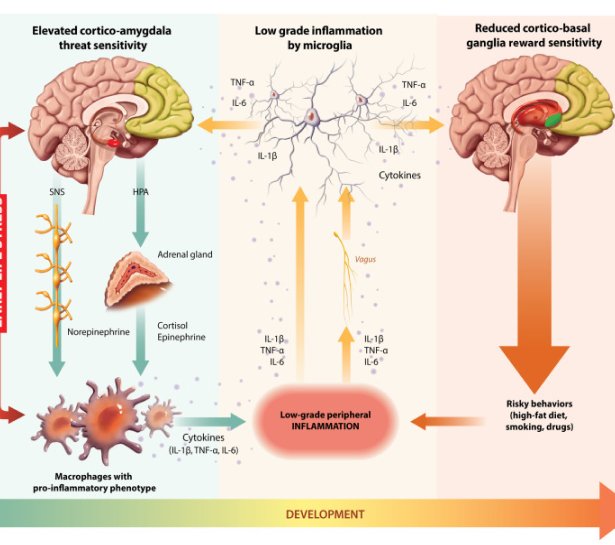
At the Institute, we focus on addressing the root dynamics of challenging symptoms, maladaptive behaviors, and complex trauma, particularly in personality disorders and trauma-related conditions. DPP is a multilevel, somatically informed approach that attends to: • Autonomic regulation and nervous system flexibility, including sympathetic, parasympathetic, and dorsal vagal dynamics • Procedural memory and somatic imprints, which encode unresolved trauma in body and brain • Relational patterns shaped by early attachment trauma, including transference, countertransference, and reenactments • Lifestyle and environmental factors that interact with physiological and emotional regulation By addressing trauma as a dynamic system, DPP seeks to destabilize maladaptive attractors, restore physiological coherence, and integrate dissociated experiences across mind, body, and relationships.
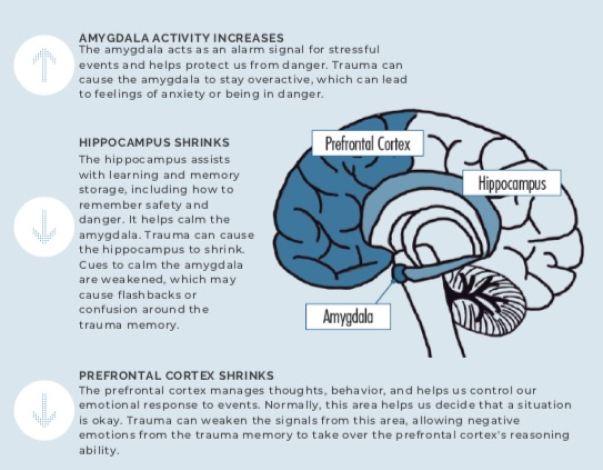
The right brain implicit self represents the biological substrate of the human unconscious mind and is intimately involved in the processing of bodily based affective information associated with various motivational states. The survival functions of the right hemisphere, the lo- cus of the emotional brain, are dominant in relational contexts at all stages of the lifespan, including the intimate context of psychotherapy. The central focus of the psychotherapeutic encounter is to appreciate the client’s motivation, we need to discern the emotional experience he or she seeks. At times, the goal sought will be self- evident to client and [therapist]. At other times, the goal will lie out of awareness and will be difficult to ascertain. The golden thread in assessing motivation lies in discovering the affect being sought in conjunction with the behavior being investigated. In other words, understanding the need underpinning the behaviour, the corrective emotional experience so to speak. The right hemisphere is dominant for the recognition of emotions, the expression of spontaneous and intense emotions, and the nonverbal communication of emotions. The central role of this hemisphere in survival functions is that the right hemisphere operates a distributed network for rapid responding to danger and other urgent problems. It preferentially processes environ- mental challenge, stress and pain and manages self-protective responses such as avoidance and escape. Emotionality is thus the right brain’s “red phone,” compelling the mind to handle urgent matters without delay. Neurobiological studies also demonstrate that the right cortical hemisphere is centrally involved in “the processing of self-images, at least when self-images are not consciously perceived. Deep psychotherapeutic changes alter not only conscious but unconscious self-image associated with nonconscious internal working models of attachment. Both unconscious negative emotions and unconscious self-images are important elements of the psychotherapy process, especially with the more severe self pathologies. Thus, the essential roles of the right brain in the unconscious processing of emotional stimuli and in emotional communication are directly relevant to recent clinical models of an affective unconscious and a relational unconscious, whereby one unconscious mind communicates with another unconscious mind such at that with the therapeutic alliance.
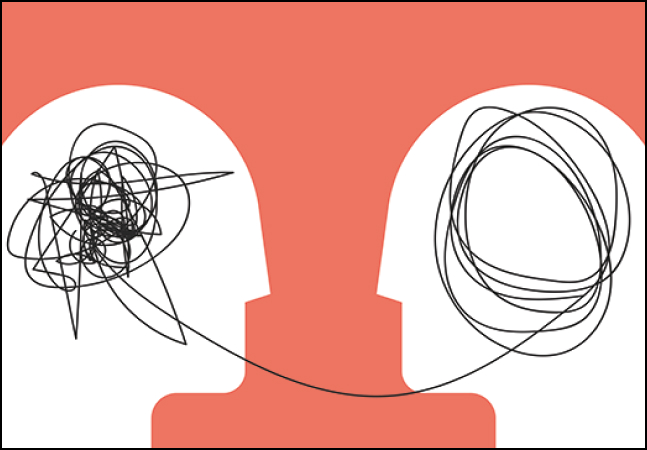
Transference interpretation is classically defined as making something conscious to the patient that was previously unconscious—specifically, that the patient’s attributions of certain qualities to the therapist derive from past figures. Countertransferential processes are currently understood to be manifest in the capacity to recognize and utilize the sensory (visual, auditory, tactile, kinesthetic, and olfactory) and affective qualities of imagery which the client generates in the psychotherapist. Similarly, Loewald (1986) points out that countertransference dynamics are appraised by the therapist’s observations of his own visceral reactions to the patient’s material. Thus the high and low arousal states associated with, respectively, terror and shame will show qualitatively distinct patterns of primary- process nonverbal communication of “body movements (kinesics), posture, gesture, facial expression, voice inflection, and the sequence, rhythm, and pitch of the spoken words” (Dorpat, 2001, p. 451). Recall that sympathetic nervous system activity is manifest in tight engagement with the external environment and high levels of energy mobilization and utilization, whereas the parasympathetic component drives disengagement from the external environment and utilizes low levels of internal energy. This principle applies not only to overt interpersonal behavior but also to covert intersubjective engagement– disengagement with the social environment, the coupling and decoupling of minds–bodies and internal worlds. Models of the ANS indicate that although reciprocal activation usually occurs between the sympathetic and parasympathetic systems, these two systems are also able to uncouple and act unilaterally (Schore, 1994). Thus the sympathetic hyperarousal and parasympathetic hypoarousal zones represent two discrete intersubjective fields of psychobiological attunement, rupture, and interactive repair of what Bromberg (2006) terms “collisions of subjectivities.” The task that is most important, and simultaneously most difficult for the [therapist], is to watch for signs of dissociated shame both in himself and in his client—shame that is being evoked by the therapeutic process itself in ways that the [therapist] would just as soon not have to face. . . . The reason that seemingly repeated enactments are struggled with over and over again in the therapy is that the [therapist] is over and over pulled into the same enactment to the degree he is not attending to the arousal of shame.
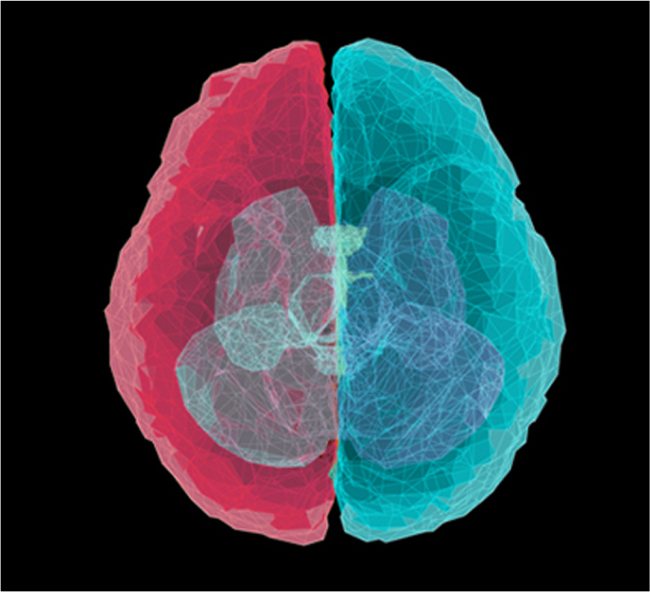
RIGHT-BRAIN AFFECT REGULATION - Transference & Countertransference
Hyperarousal = Hypermetabolic CNS–ANS limbic–autonomic circuits = stressful, sympathetic-dominant, energy-expending psychobiological states
Hypoarousal = Hypometabolic CNS–ANS circuits = stressful, parasympathetic- dominant, energy-conserving psychobiological states
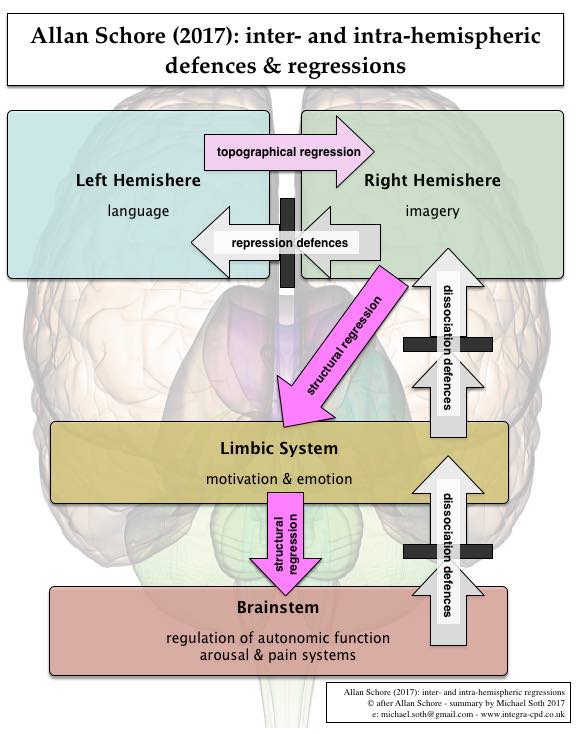
AFFECT REGULATION & THE UNCONSCIOUS AFFECT
As in all attachment dynamics, the dyadic amplification of arousal–affect intensity that is generated in a resonant transference–countertransference context facilitates the intensification of the felt sense in both therapist and patient. This same interpersonal psychobiological mechanism sustains the af- fect in time; that is, the affect is “held” within the intersubjective field long enough for it to reach conscious awareness in both members of a psychobio- logically attuned therapeutic dyad. It should be noted that this affect charg- ing-amplifying process includes an intensification of both negative and positive affects in an intersubjective field. But more than empathic affect attunement and deep contact are necessary for further therapeutic progression. At the psychobiological core of the intersubjective field is the attachment bond of emotional communication and affect regulation. The clinician’s psychobiological interactive regulation–repair of dysregulated, especially unconscious (dissociated), bodily based affective states is an essential therapeutic mechanism. Recall Bucci’s (2002) proscription that the threatening dissociated affect must be sufficiently regulated. Sands notes that “Dissociative defenses serve to regulate relatedness to others. . . .
The dissociative client is attempting to stay enough in a relationship with the human environment to survive the present while, at the same time, keeping the needs for more intimate relatedness sequestered but alive”. Due to early learning experiences of severe attachment failures, the client accesses pathological dissociation in order to cope with potential dysregulation of affect by anticipating trauma before it arrives. In characterological dissociation, an autoregulatory strategy of involuntary autonomic disengagement is initiated and maintained to prevent potentially dysregulating intersubjective contact with others. But as the client continues through the change process, he or she becomes more able to forgo autoregulation for interactive regulation when under interpersonal stress. Fosha stresses this important principle: “Dyadic affect regulation is a process that is central, not only in infancy, but from the cradle to the grave, a fortiori when we are faced with (categorical) emotions of such intensity that they overwhelm us, in the moment seeming beyond the capacity of our available resources to handle (i.e., that being the definition of traumatic event).
Interactive psychobiological regulation (Schore, 1994) provides the relational context under which the client can safely contact, describe, and eventually regulate inner experience. Rather than insight alone, it is the client’s experience of empowering action in the context of safety provided by a background of the empathic clinician’s psychobiologically attuned interactive affect regulation that helps effect change. This interactive affect regulation occurs at the edge of the regulatory boundaries of both high and low arousal in the intersubjective fields. In such work, Bromberg warns, “An interpretative stance . . . not only is thereby useless during an enactment, but also escalates the enactment and rigidifies the dissociation”. A therapeutic focus on regulating not only conscious but unconscious (dissociated) affect highlights the conclusion that implicit nonverbal affective factors, more than the explicit verbal cognitive (insight) ones, lie at the core of the change process in the treatment of more severely disturbed clients. At the most fundamental level, the inter- subjective work of psychotherapy is not defined by what the clinician does for the patient or says to the patient (left-brain focus). Rather, the key mechanism is how to be with the patient (Cultivating Presence Over Technique), especially during affectively stressful moments when the patient’s implicit core self is disintegrating in real time (right-brain focus).
This dyadic psychobiological mechanism of the psychotherapeutic change process is described by Adler: Because people in a caring, i.e., empathic relationship convey emotional experiences to each other, they also convey physiological experiences to each other, and this sociophysiologic linkage is relevant to the understanding the direct physiologic consequences of caring in the therapist–client relationship—for both parties. He further argues that the therapeutic relationship—the interaction between the client’s emotional vulnerability and the therapist’s emotional availability—represents a prime example of how individuals in an empathic relationship coregulate each other’s autonomic activity. More specifically, the therapeutic relationship can act as “the antithesis of the fight-flight response”; and “the experience of feeling cared about in a relationship reduces the secretion of stress hormones and shifts the neuroendocrine system toward homeostasis”. In this way social bonds of attachment embedded in the therapeutic relationship reduce stress-induced arousal. Ongoing episodes involving therapeutic interactive regulation of affective arousal impact the client’s activation threshold of a right-brain stress response to a social stressor. Bromberg observes that the processing becomes “safer and safer so that the person’s tolerance for potential flooding of affect goes up”. As a result: The client’s threshold for triggering increases, allowing her increasingly to hold on to the ongoing relational experience (the full complexity of the here and now with the therapist) as it is happening, with less and less need to dissociate; as the processing of the here and now becomes more and more immediate, it becomes more and more experientially connectable to her past.
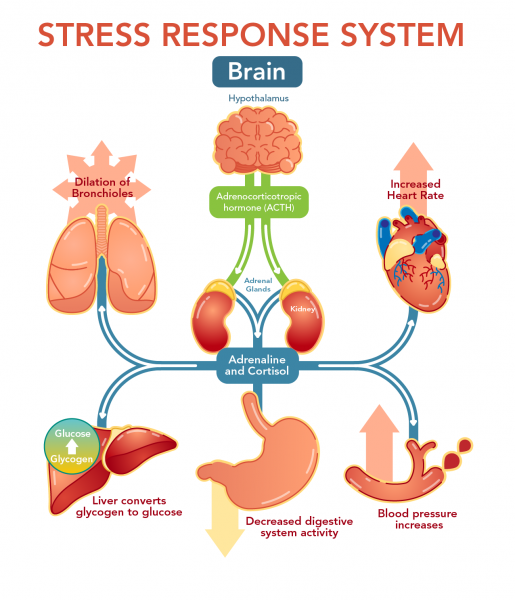
Effective work at the regulatory boundaries of right-brain low and high arous- al states ultimately broadens the windows of affect tolerance, thereby allowing for a wider variety of more intense and enduring affects in future intersubjective contexts. LeDoux offers an elegant description of this advance of emotional development: Because emotion systems coordinate learning, the broader the range of emotions that [an individual] experiences the broader will be the emotional range of the self that develops. . . . And because more brain systems are typically active during emotional than during nonemotional states, and the intensity of arousal is greater, the opportunity for coordinated learning across brain systems is greater during emotional states. By coordinating parallel plasticity throughout the brain, emotional states promote the development and unification of the self. Growth-facilitating experiences cocreated at the regulatory boundaries thus promote the “affective building blocks” of enactments. The client’s increased ability to consciously experience and communicate a wider range of positive and negative affects is due to a developmental advance in the capacity to regulate affect. This further maturation of adaptive self-regulation is, in turn, reflected in the appearance of more complex emotions that result from the simultaneous blending of different affects, and in an expansion in the “affect array”.
Psychotherapy of attachment pathologies and severe personality disorders must focus on unconscious affect and the survival defense of pathological dissociation, “a structured separation of mental processes (e.g., thoughts, emotions, conation, memory, and identity) that are ordinarily integrated”. Overwhelming traumatic feelings that are not regulated cannot be adaptively integrated into the patient’s emotional life. This dissociative deficit specifically results from a lack of integration of the right hemisphere, the emotional brain. But effective therapy can positively alter the developmental trajectory of the deep right brain and facilitate the integration between cortical and subcortical right-brain systems. This enhanced interconnectivity allows for an increased complexity of defenses of the emotional right brain—coping strategies for regulating stressful affect that are more flexible and adaptive than pathological dissociation. These improved coping strategies in turn enhance the further maturation of the right hemisphere core of the self and its central involvement in “patterns of affect regulation that integrate a sense of self across state transitions, thereby allowing for a continuity of inner experience”. Concordant with this model of the change mechanism of psychotherapy, Fosha (2005) describes a “state in which affective and cognitive processes are seamlessly integrated, the core state that follows the experience of core affect is optimally suited for the therapeutic integration and consolidation that translate deep in-session changes into lasting therapeutic results” . In this state of transformation “our view opens up: the entirety of the emotional landscape is visible, and it is evenly illuminated”, and adaptive resources, resilience, and mindful understanding are available to the individual. Fosha speculates that this “wide angle lens” is “a capacity centrally mediated by the prefrontal cortex and the orbitofrontal cortex, the ultimate neurointegrators of the meaning of personal experience ,” and it generates “a cohesive and coherent autobiographical narrative” . The latter is “primarily mediated by the right hemisphere’ prefrontal cortex”. The increased resilience of unconscious strategies of stress regulation that results from an optimal psychotherapeutic experience represents an experience-dependent maturation of “the right hemispheric specialization in regulating stress- and emotion-related processes”. Studies now indicate that the right hemisphere, which is dominant for autobiographical memory , provides access to a triggering mechanism that initiates autonomic sympathetic and parasympathetic reactions to socioemotional signals. The regulation of emotional stress is essentially mediated by higher right cortical regulation of lower arousal systems, autonomic structures, and peripheral organs. Indeed, anterior areas of the right hemisphere are involved in the control of autonomic activation, and right orbitofrontal (ventromedial) cortical activity acts to regulate the sympathetic nervous system.
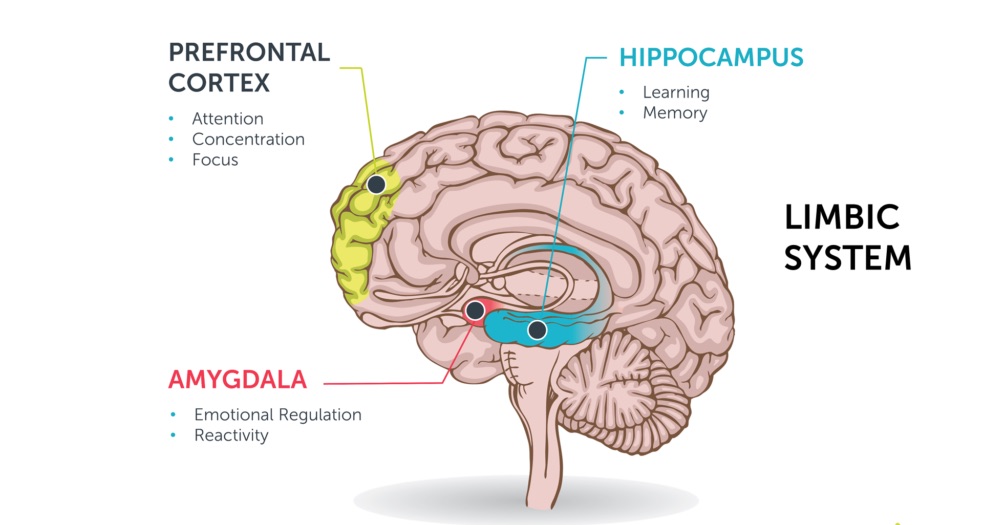
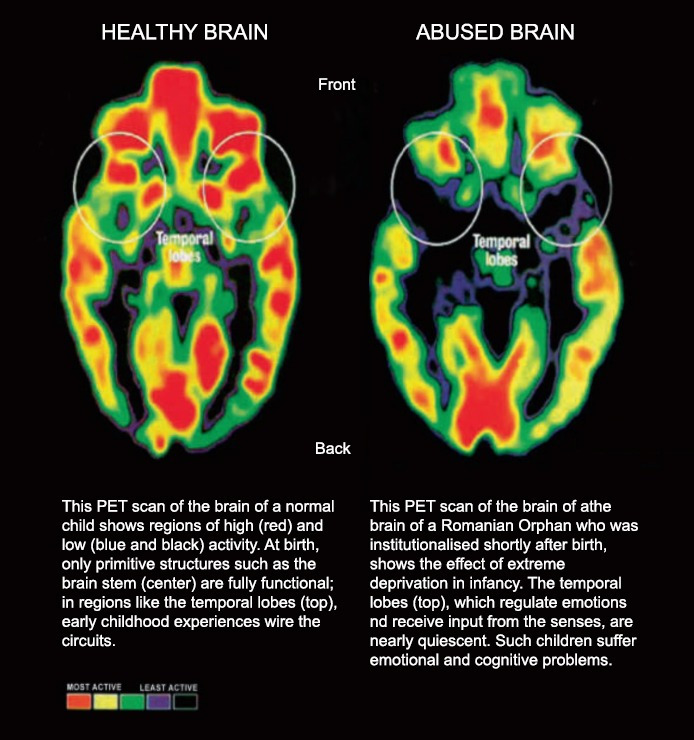
In a neuroanatomical description that echoes Fosha’s description of the “wide angle lens” of the orbitofrontal core state, current studies conclude, “the rich connections of orbitofrontal cortex endow it with a panoramic view of the entire external environment, as well as the internal environment associated with motivational factors”. According to Barbas, frontal medial and orbitofrontal cortices, which are associated with appreciation of emotions, project to hypothalamic autonomic centers, which innervate brain- stem and spinal autonomic autonomic structures. The latter, in turn, innervate peripheral organs whose activity is markedly increased in emotional arousal. It is now established that “the peripheral physiological arousal and action tendencies associated with emotion are implicit in the sense that they occur automatically and do not require conscious processing to be executed efficiently”. Note that the left-brain explicit verbal system that analytically processes interpretations is never directly involved in regulating sympathetic nervous system activity. Both secure attachment experiences and effective psychotherapy increase the complexity of the right-brain affect-regulating system. The right hemisphere continues its growth spurts over the stages of the lifespan, thereby allowing for therapy-induced plasticity in the system.
The structural changes that occur from effective psychotherapy occur in descending right cortical top-down pathways from orbitofrontal and ventral medial prefrontal cortices to the amygdala and hypothalamus, thereby providing a more effective mechanism of prefrontal control of the autonomic nervous system, and thus in processes underlying the recognition and expression of emotions. The psychotherapy of patients with attachment pathologies, who all too frequently experience traumatic fearful states of arousal, directly impacts and potentially alters rightlateralized dysregulations of the fear/terror system, driven by the subcortical right amygdala, which specializes in fear conditioning and “unseen fear”. Importantly, prefrontal areas that inhibit emotional memories and suppress emotional reactivity are lateralized predominantly to the right hemisphere. The observations of Phelps et al. directly relate to the learning process of the psychotherapy context: Understanding how fears are acquired is an important step in our ability to translate basic research to the treatment of fear-related behaviors. Understanding how learned fears are diminished may be even more valuable.
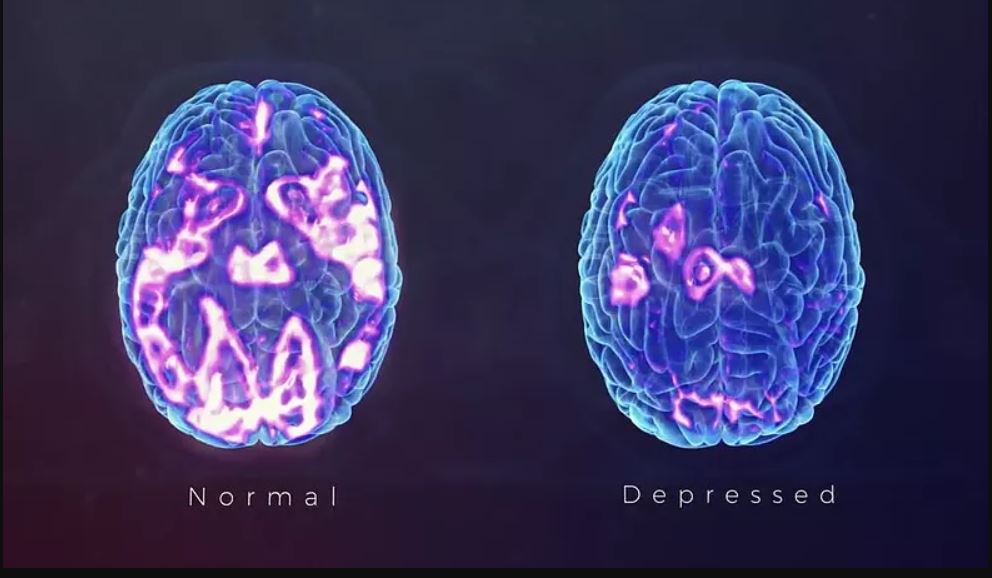
The amygdala may play an important role in extinction learning as well as acquisition and that ventromedial prefrontal cortex my be particularly involved in the retention of extinction learning. Efficient functions of the right-brain implicit self are essential for the reception, expression, and communication of socioaffective information; the unconscious regulation of physiological, endocrinological, neuroendocrine, cardiovascular, and immune functions; subjectivity/intersubjectivity; trust and empathy; and an affective theory of mind. The critical role of nonconscious emotion processing for human survival: In unpredictable environments, emotions provide rapid modulation of behavior. From an evolutionary perspective, emotions provide a modulatory control system that facilitates survival and reproduction. Reflex-like reactions to emotional events can occur before attention is paid to them. Neuropsychological evidence supports a right hemispheric bias for emotional and attentional processing in humans.
There is an emerging paradigm shift is highlighting the primacy of affect in human development, psychopathogenesis, and treatment. A large body of research in the neuroscience literature suggests a special role for the emotion-processing right hemisphere in empathy, identification with others, intersubjective processes, autobiographical memories, own body perception, self-awareness, self-related cognition, as well as self-images that are not consciously perceived—all essential components of the therapeutic process. A fundamental theme bodily based right-brain affect, including specifically unconscious affect, needs to be addressed in updated psychotherapeutic interventions. Even more than the patient’s late-acting rational, analytical, and verbal left mind, the growth-facilitating psychotherapeutic relationship needs to directly access the regulatory boundaries and deeper psychobiological strata of both the client’s and the clinician’s right- brain minds. The more severe levels of psychopathology, it is not a question of making the unconscious conscious as was the tenet of Freuds theory: rather it is a question of restructuring the unconscious itself, this is right brain body based psychosocialsomatic psychotherapy. The right hemisphere is dominant in the change process of psychotherapy. Neuroscience authors now conclude that although the left hemisphere is specialized for coping with predictable representations and strategies, the right predominates not only for organizing the human stress response, but also for coping with and assimilating novel situations and ensuring the formation of a new program of interaction with a new environment. Indeed, the right brain possesses special capabilities for processing novel stimuli. Right-brain problem solving generates a matrix of alternative solutions, as contrasted with the left brain’s single solution of best fit. This answer matrix remains active while alternative solutions are explored, a method suitable for the open-ended possibilities inherent in a novel situation. Recall that resilience in the face of stress and novelty is an indicator of attachment security. Therapeutic changes in the patient’s internal working model, encoding strategies of affect regulation, reflect structural alterations within the right brain. The functions of the emotional right brain are essential to the self-exploration process of psychotherapy, especially of unconscious affects that can be integrated into a more complex implicit sense of self. Both optimal development and effective psychotherapy promote more than cognitive changes of the conscious mind, but an expansion of the right-brain implicit self, the biological substrate of the human unconscious.