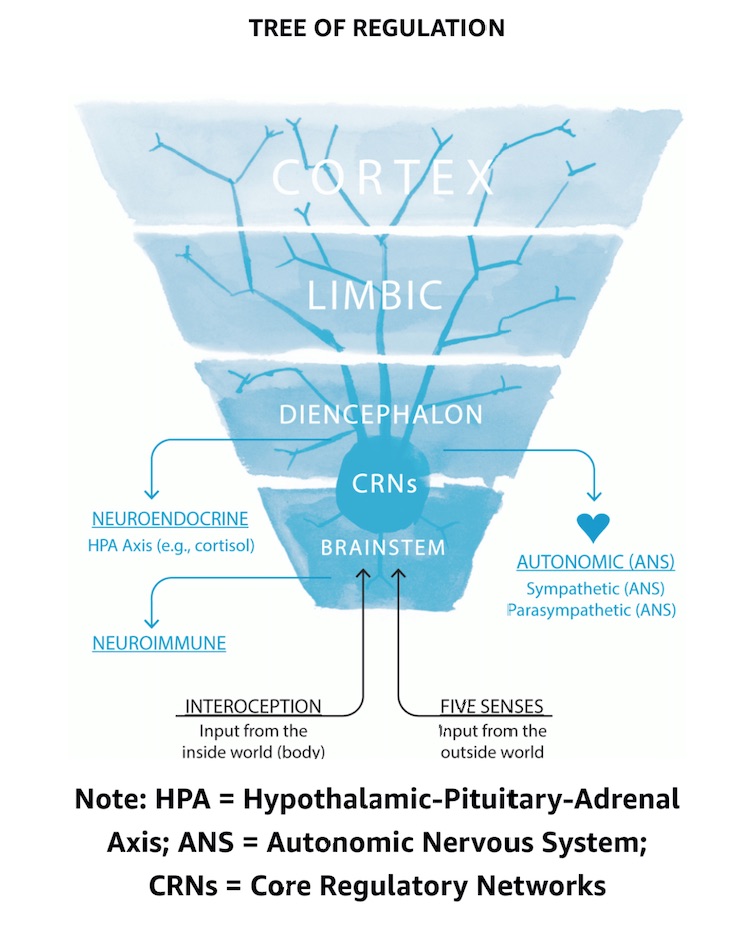
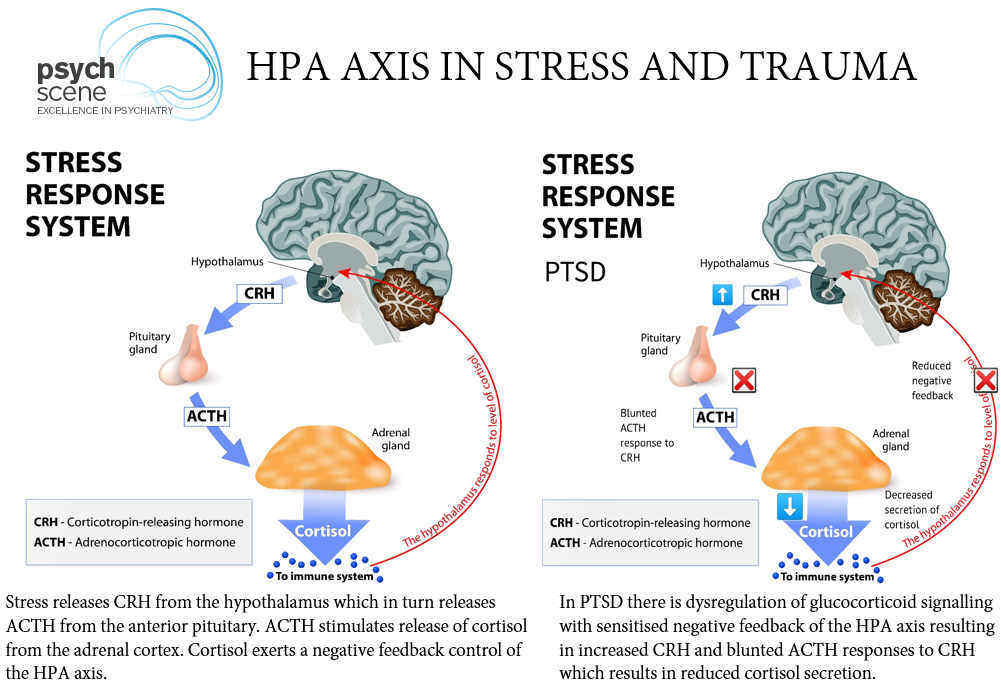
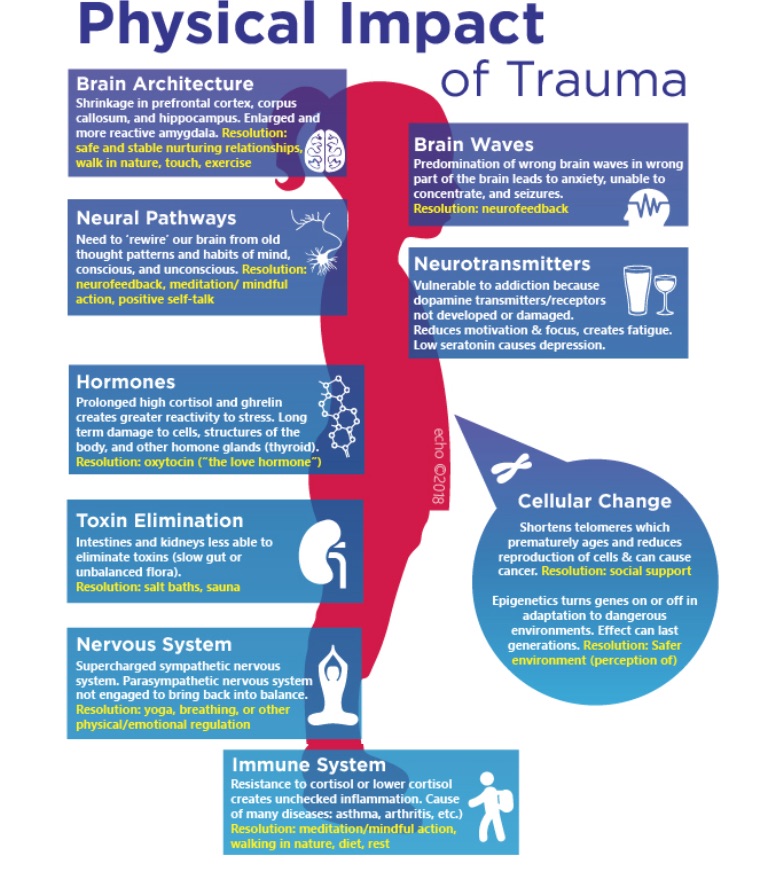
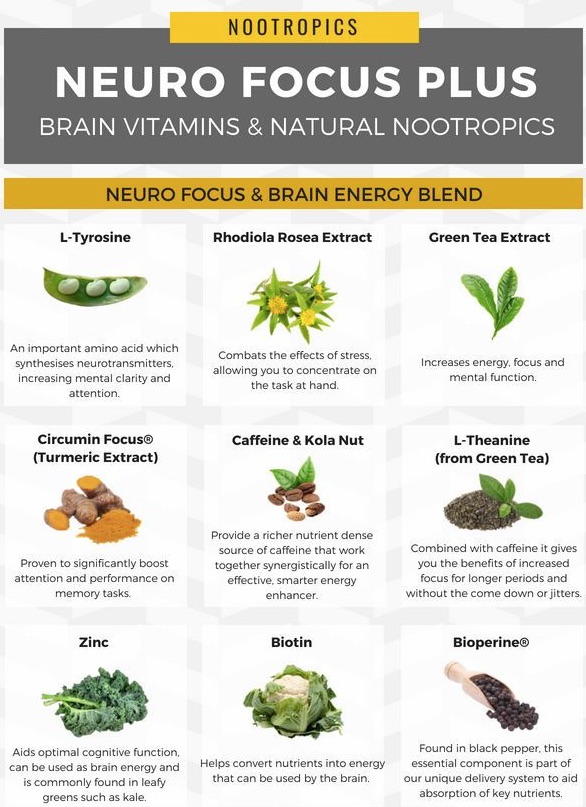
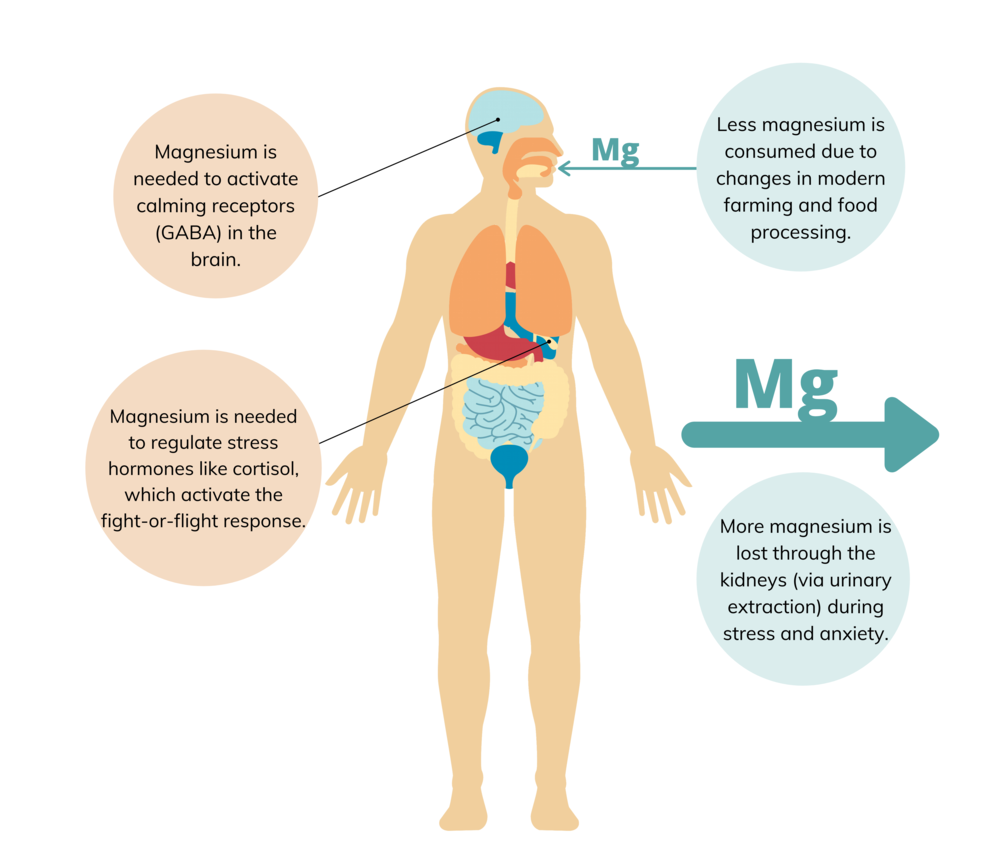
Chronic psychosocial stress has adverse effects on the physical and mental health of individuals and organizational effectiveness. Biological responses to stress promote adaptation, maintenance of homeostasis, and survival (“allostasis”) via neuroendocrine, cardiovascular, autonomic, immune, and metabolic systems. However, chronic stress leads to long-term dysregulations in these systems (“allostatic load”) that can promote and exacerbate pathophysiology. Individuals under prolonged response to chronic emotional and interpersonal stressors and insufficient down regulation of the stress response are at high risk of developing long-term symptomology such as autoimmune disorders. The brain is the key organ for the stress response. Exposure to stress causes the activation of the sympathetic–adrenal–medullary (SAM) axis, resulting in the release of epinephrine and norepinephrine, which affect the heart rate and other autonomic changes, as well as the hypothalamus–pituitary–adrenal (HPA) axis, leading to the release of glucocorticoids such as cortisol. During chronic stress, prolonged and repeated activation of the HPA axis occurs as an adaptive mechanism to stress. This increased HPA axis activation can result in hypercortisolism. High cortisol concentrations play an important role in various psychoneuroendocrinological processes and hypertension. Insulin resistance, hyperglycemia, inflammation, visceral fat accumulation, and the metabolic syndrome are the consequences. A state of hypofunctioning with related hypocortisolism can follow. Furthermore, chronic stress leads to hyperactivity of the sympathetic nervous system. Possible related risks include increased heart rate, activation of the renin–angiotensin system, and oxidative stress causing chronic inflammation. The mesolimbic dopaminergic system and other brain regions involved in stress/motivation circuits may play important roles in chronic stress-induced food intake, food preference and reward sensitivity. However, uncontrollable chronic stress exposure can lead to poor dietary choices, weight gain, diet-related metabolic risk, and increased specific nutrient requirements. An adequate supply of specific amino acids, as a precursor for neurotransmitters, is suggested to positively influence the stress-induced imbalance between excitatory (e.g., norepinephrine, dopamine, and glutamate) and inhibitory (e.g., serotonin, gamma-aminobutyric acid (GABA), and glycine) neurotransmitters and neurological, emotional and behavioral consequences. Consuming the amino acid tyrosine, a precursor for dopamine and norepinephrine, is considered an effective cognition enhancer, when neurotransmitter function is intact and dopamine and/or norepinephrine are temporarily depleted. Taurine plays a role in the central nervous system, in antioxidant and anti-inflammatory actions, and in several metabolic processes. Taurine acts as an inhibitory neuromodulator, as a cytoprotectant against stress-related neuronal damage, and is commonly known for its claimed energizing properties and anti-fatigue compound. Low brain serotonin concentrations are associated with poor memory and depressed mood. Cerebral serotonin is synthesized from l-tryptophan (l-Trp) with the rate limiting step being catalyzed by the enzyme tryptophan hydroxylase. The precursor l-Trp is transported across the blood–brain barrier. Several amino acids, the branched-chain amino acids (BCAA, such as l-leucine, l-isoleucine, and l-valine), and the aromatic l-tyrosine and l-phenylalanine, collectively known as the competing amino acids (CAA), are transported via the same carrier system. Studies have shown that an increased plasma ratio of free l-Trp to the sum of CAA results in an uptake of l-Trp by the brain, suggesting that this condition may increase the synthesis of serotonin. l-ornithine supplementation has shown potential to relieve stress, reduce HPA axis activity, and improve fatigue-related sleep quality. Moreover, water-soluble vitamins, particularly B-vitamins and vitamin C, together with minerals, such as magnesium and zinc, act as cofactors in the synthesis and metabolism of neurotransmitters. Therefore, these micronutrients are essential for regulating the stress response. An adequate intake of all eight B vitamins is essential for optimal physiological and neurological functioning. Folate, B6, and B12 are directly involved in neurotransmitter synthesis and homocysteine metabolism. Vitamin C, a key antioxidant of the central nervous system, is involved in neuromodulation, -protection, and transmission. Zinc and magnesium are essential for adequate functioning of the neurotransmitter systems and exhibit antidepressant properties. Individuals who are exposed to a stressful lifestyle and chromic stressors are at risk of marginal deficiencies of one or more of these micronutrients.